
Light requirements

Light requirements
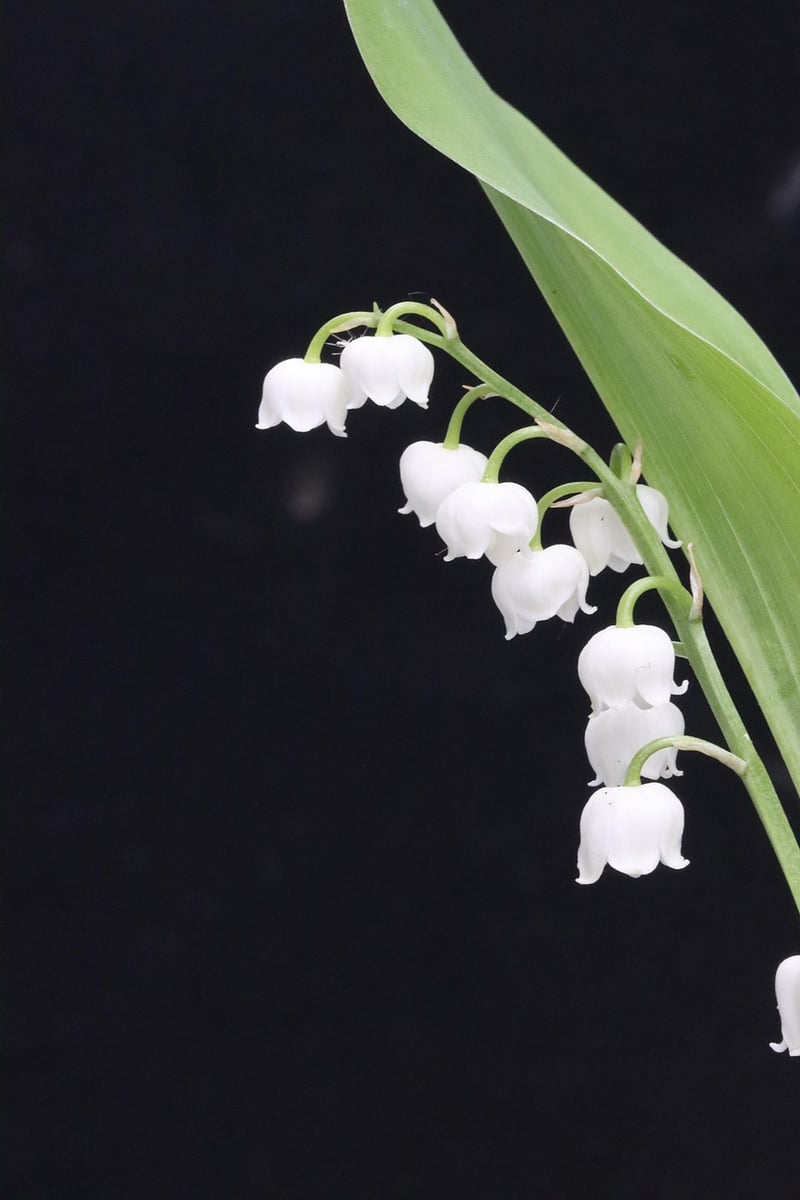
Maximize Vertical Garden Success with Proper Light Requirements
Vertical gardens are a popular way to bring greenery into small spaces and add a touch of nature to urban environments. To ensure the success of your vertical garden, one of the key factors to consider is providing the right amount of light for your plants.
Understanding Light Requirements
Plants have varying light requirements depending on their species. It's essential to group plants with similar light needs together in your vertical garden to ensure they thrive.
Low-Light Plants
- Pothos
- Snake Plant
- Peace Lily
Medium-Light Plants
- Spider Plant
- Philodendron
- ZZ Plant
High-Light Plants
- Succulents
- Herbs like Basil and Mint
- Flowering Plants like Geraniums
Maximizing Light Exposure
To maximize light exposure for your vertical garden, consider the following tips:
- Placement: Position your vertical garden in a location that receives adequate sunlight based on the light requirements of your plants.
- Rotation: Rotate your plants regularly to ensure all sides receive equal light exposure and prevent them from leaning towards the light source.
- Supplemental Lighting: If natural light is limited, consider using grow lights to provide additional light for your plants.
Conclusion
By understanding the light requirements of your plants and taking steps to maximize light exposure, you can set up your vertical garden for success. With the right amount of light, your plants will thrive and create a beautiful green oasis in any space.
Remember to regularly monitor your plants' growth and adjust their placement as needed to ensure they continue to receive the optimal amount of light for healthy development.